Real projects usually need more than one product. Here's what goes into each type of job.
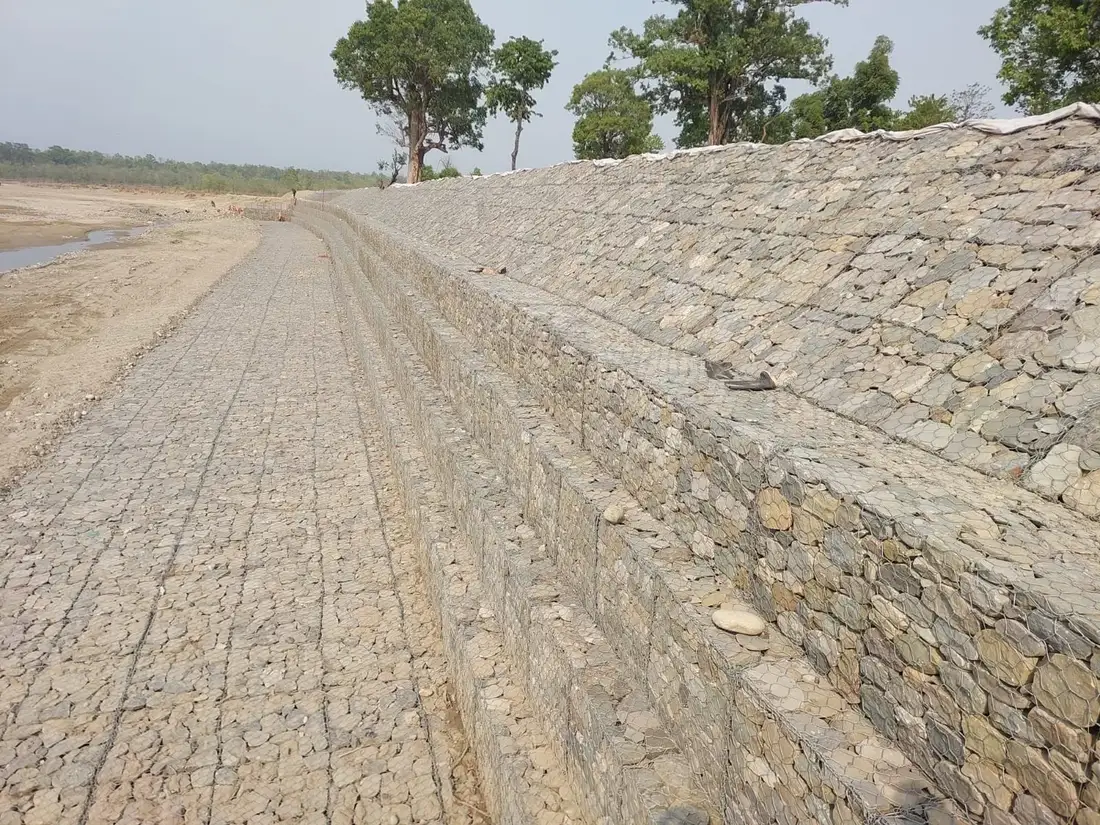
Rivers across Nepal shift course every monsoon, cutting into farmland and settlements. A gabion revetment along the bank absorbs that energy and holds the line, while a geotextile layer behind the gabion stops fine soil from washing out through the mesh as the water rises and falls.
Typically used: Gabion Boxes + Non-Woven Geotextile
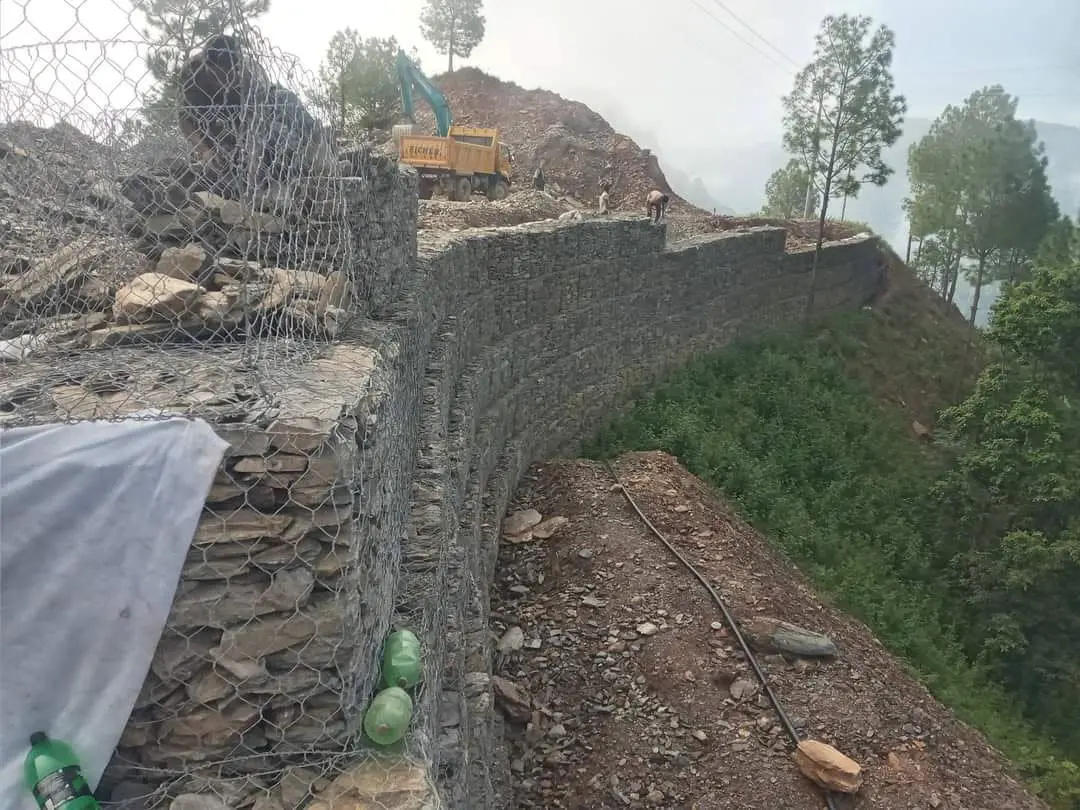
On hill roads and terraced land, a stepped gabion wall holds back soil while still letting water drain through it, unlike a solid concrete wall. That flexibility matters on ground that shifts during the monsoon. Geotextile fabric behind the wall keeps the fill soil from migrating into the stone over time.
Typically used: Gabion Boxes + Non-Woven Geotextile
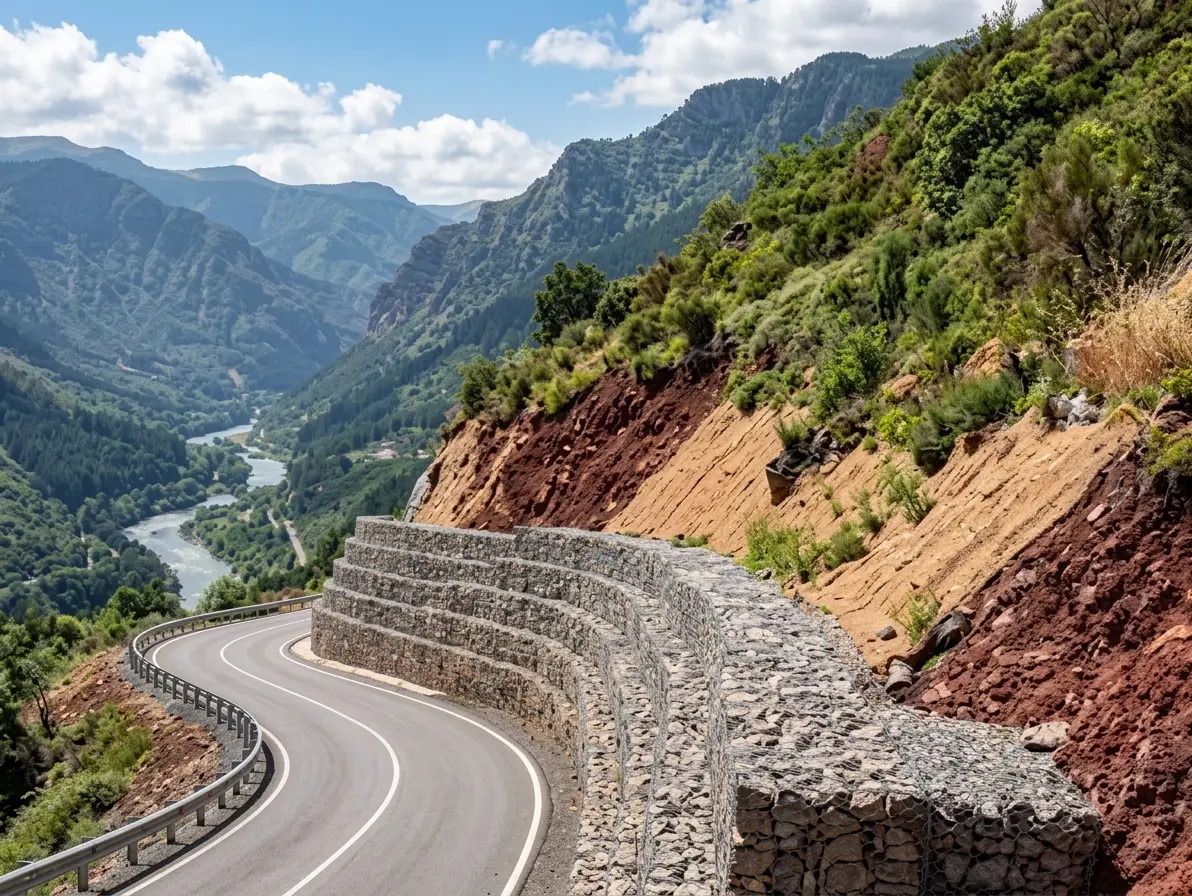
Hill roads lose shoulder and embankment every monsoon without protection. Gabion facing along the downhill side of a road, or backing an upslope cut, keeps the road surface from undermining and reduces the landslide risk on steep sections.
Typically used: Gabion Boxes + Non-Woven Geotextile
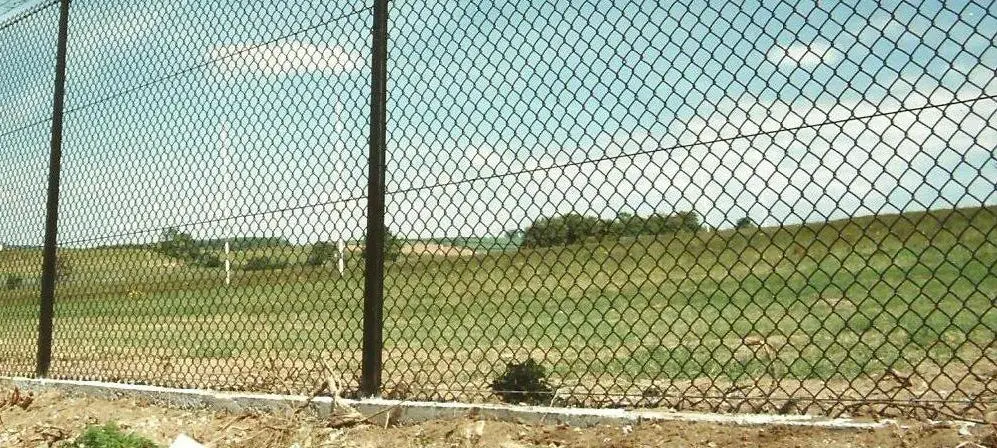
Farmland, school grounds, and factory compounds all need a boundary that keeps livestock, wildlife, or unwanted access out without blocking airflow and visibility. GI chain-link fencing (compound jali) is manufactured to the mesh size and wire gauge your compound needs, and cut to the roll length required.
Typically used: Chain-Link Fencing
Describe your project and we'll recommend the right product and quantities.
 United Wire And Steel Industries